
PIPE
SHOES

product
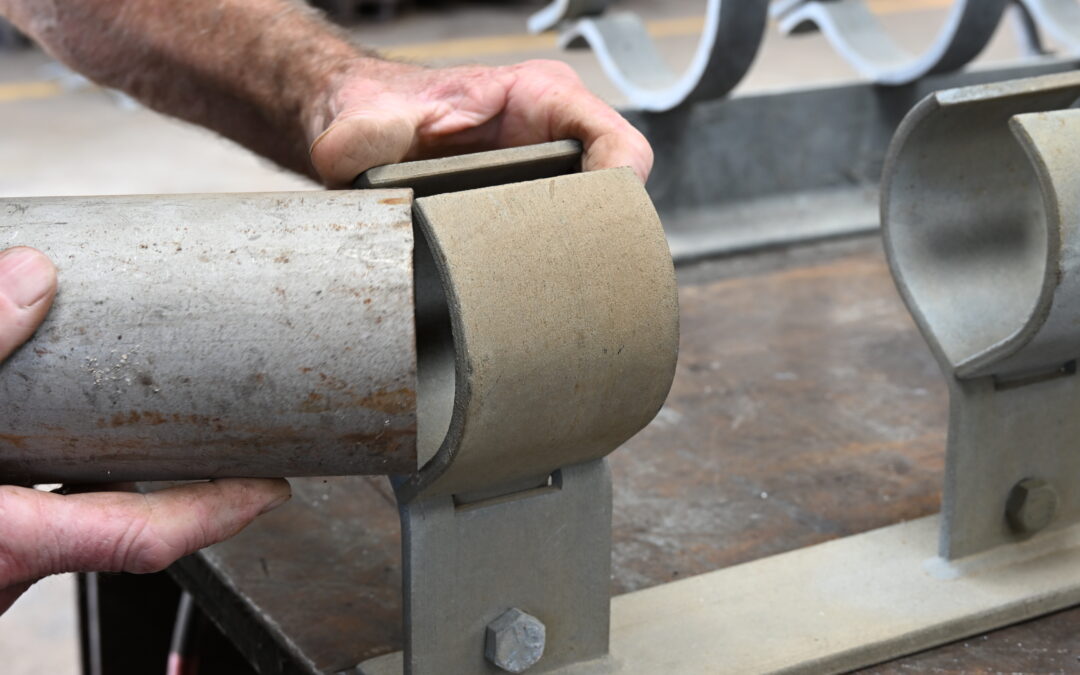
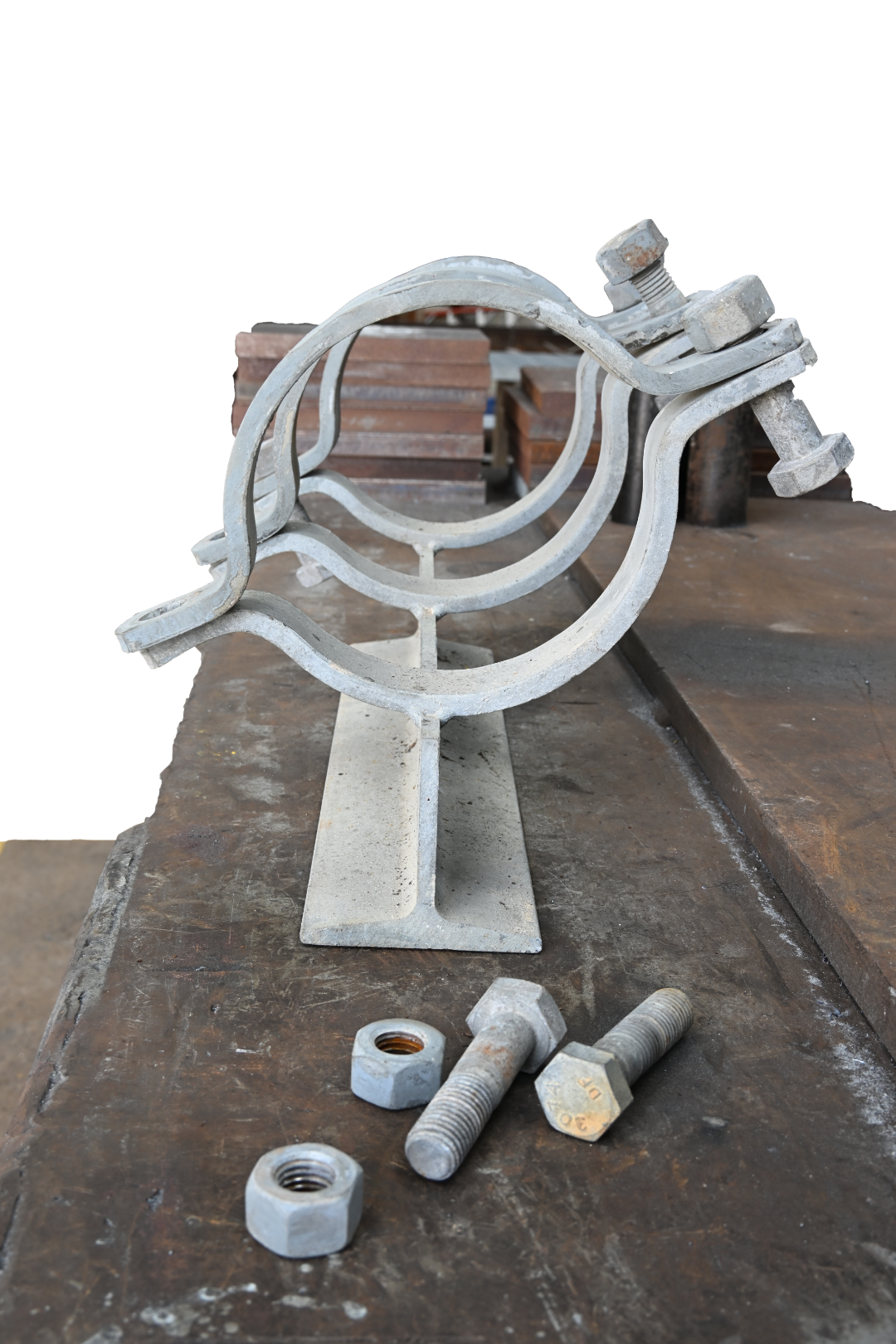
In large-scale manufacturing, oil and gas, and chemical processing plants, piping networks carry fluids at extreme temperatures and high pressures. Resting these heavy lines directly onto structural steel I-beams leads to crushed insulation, severe friction, and premature pipe failure.
WHAT are THEY?
why ARE PIPE SHOES IMPORTANT?
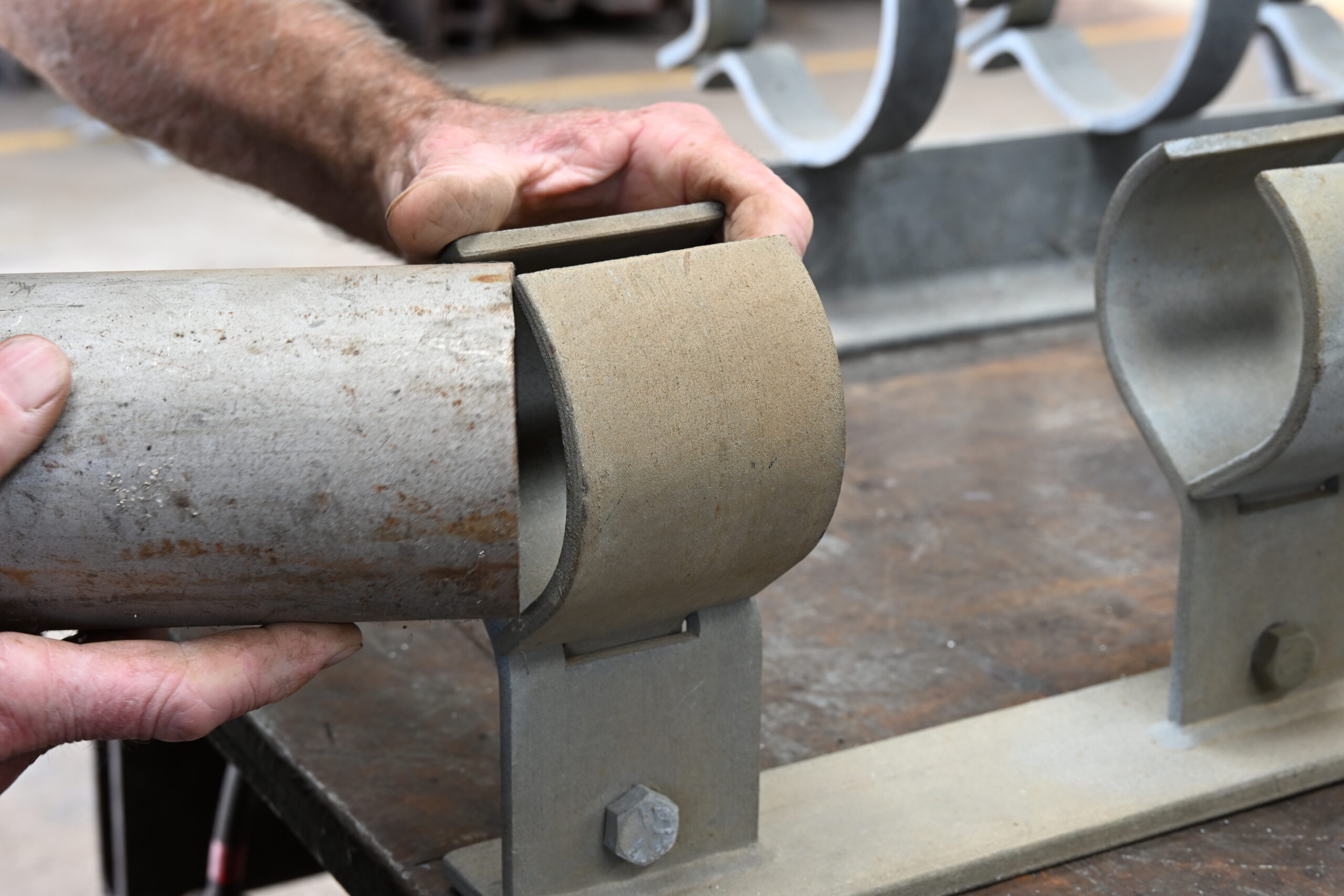
Prevents Corrosion Under Insulation (CUI): Without elevation, a pipe’s weight crushes thermal insulation against steel beams, allowing moisture to seep in and cause hidden rust. Pipe shoes lift the line clear of the beam, keeping insulation intact.
Eliminates Galvanic Corrosion: When pipes touch structural beams made of dissimilar metals, electrochemical reactions accelerate rust. Pipe shoes create a physical barrier that stops metal-on-metal contact.
Manages Thermal Expansion: Extreme heat causes metal pipes to lengthen. Pipe shoes provide a smooth base that lets the pipe slide safely along the beam without buckling or tearing.
Minimizes Heat Transfer: In cryogenic or high-temperature systems, direct contact with steel beams acts as a thermal bridge. Insulated shoes prevent energy loss and stop ice from forming on supporting steel.
Reduces Wear and Friction: Instead of the pipe wall grinding against rough structural steel, the base of the shoe absorbs the friction, protecting the pipe from thinning or rupture.
COMMON TYPES OF PIPE SHOES
Engineers select pipe shoes based on operating temperatures, pipe size, and how the support attaches to the line.
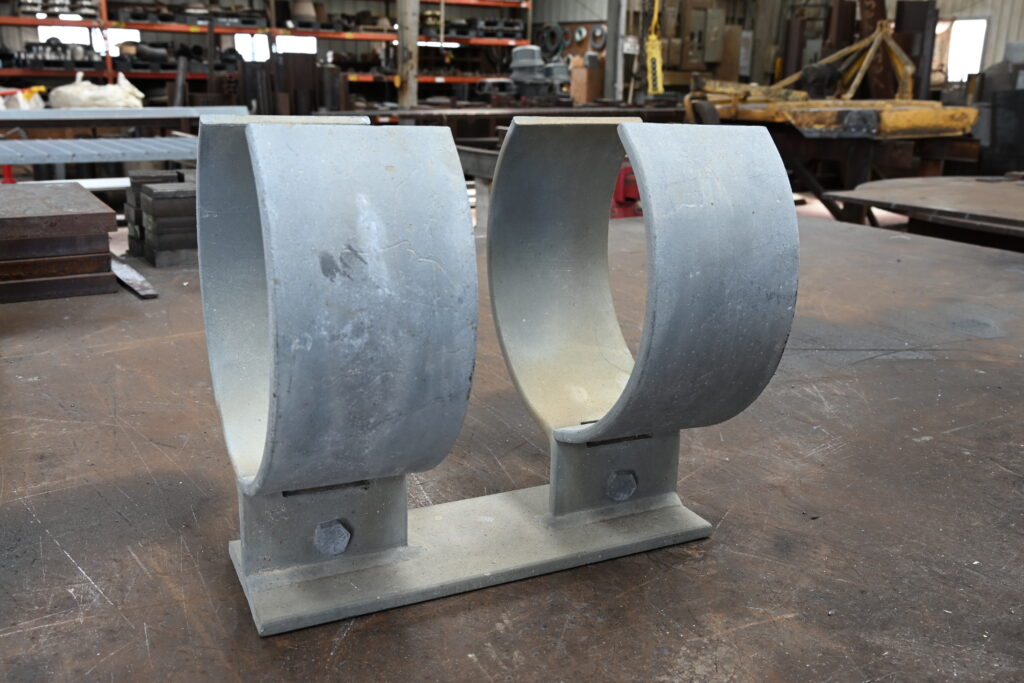
1. Standard Welded Pipe Shoes (T-Bar & Cradle)
2. Clamp-On (Non-Welded) Pipe Shoes
3. Sliding Pipe Shoes (PTFE / Teflon Slide Plates)
4. Pre-Insulated & Cryogenic (“Cold”) Pipe Shoes
5. Composite Pipe Shoes
Key Factors to Consider When Specifying Pipe Shoes
- Operating Temperature: Determines whether standard carbon steel is sufficient or if high-temperature alloys, PTFE slide plates, or cryogenic insulation blocks are mandatory.
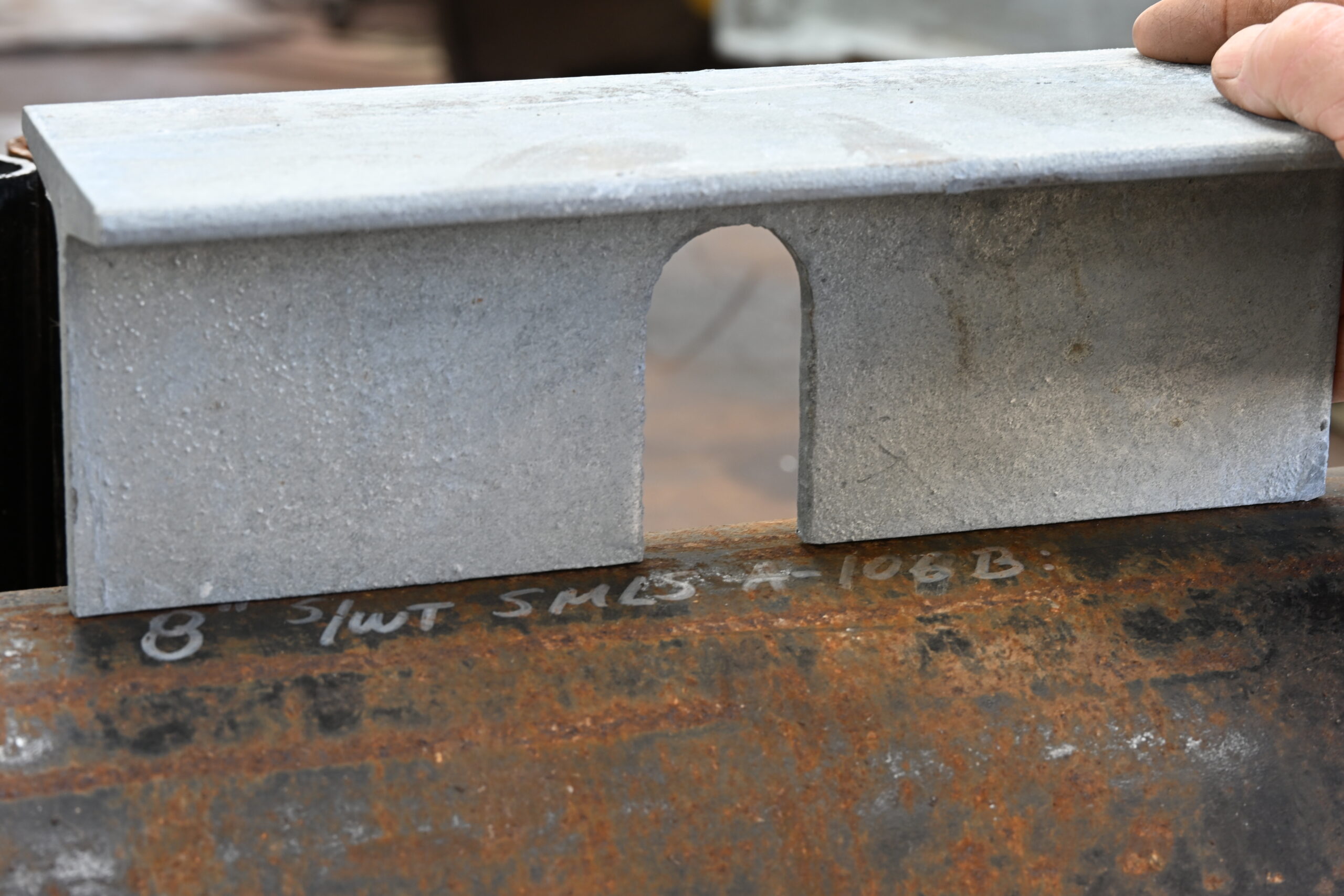
- Pipe Diameter and Wall Thickness: Heavy, large-bore pipes require double-T cradles or wear pads to distribute weight evenly without denting the pipe wall.
- Movement Requirements: Engineers decide whether the shoe should rest freely, slide axially along a guided track, or act as a rigid anchor point.
- Insulation Thickness: The height of the shoe—often measured from the bottom of the pipe (BOP) to the beam—must exceed the insulation thickness so the cladding never touches the steel rack.
- Environmental Conditions: Coastal humidity, chemical exposure, and seismic loads dictate whether galvanized steel, stainless steel, or composite materials are required.
Key Industries That Rely on Pipe Shoes
- Oil, Gas, and Petrochemical: Supporting long pipe racks carrying crude oil, refined fuels, and volatile gases across refineries.
- Power Generation: Managing extreme thermal expansion in high-pressure steam headers and solar thermal plants.
- LNG and Cryogenics: Maintaining sub-zero temperatures down to -300°F without structural frost damage.
- Chemical and Pharmaceutical Processing: Protecting corrosion-resistant stainless steel and alloy piping from external contamination.
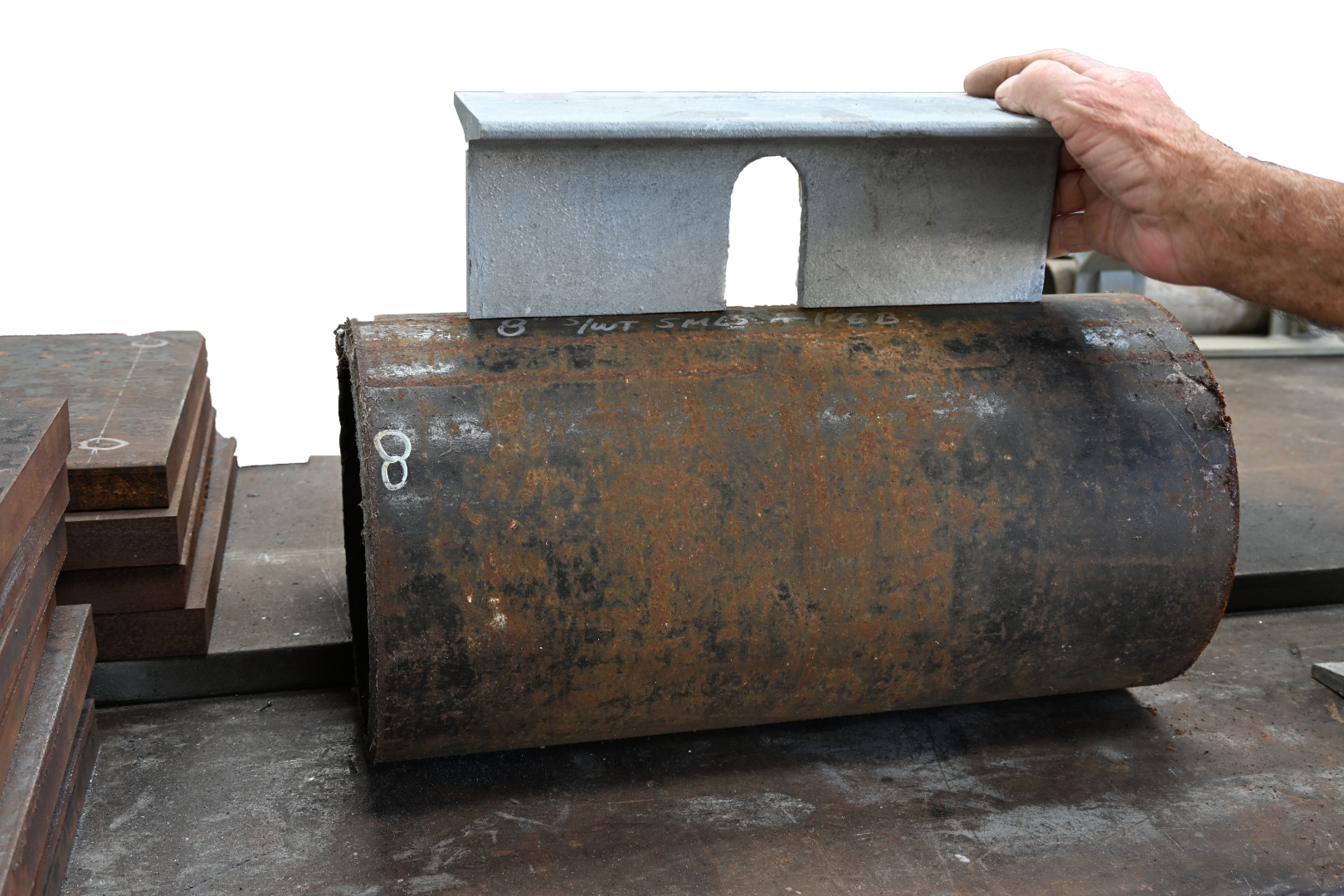
Need Pipe SHOES?
Since 1971, we have fabricated pipe shoes for hundreds of customers. Let us know how we can help.